Registration for this event is now closed.

37th School Social Work Symposium

School Social Work in a Digital World

Thursday, October 23, 2025 | 9 a.m. to 12 p.m. ET | Online


L'événement sera traduit en direct en français. Pour consulter le programme et en savoir plus sur nos intervenants,
cliquez ici.


Join OASW for the 37th symposium, a half-day virtual event that invites school social workers to reflect, reconnect, and reimagine their roles in times of uncertainty and change. 

In partnership with OASW's School Social Work Advisory Group, this symposium is designed by school social workers, for school social workers, offering a collaborative space for shared learning and collective insight. As school communities navigate the complexities of a post-pandemic world marked by digital saturation, rising mental health concerns, and systemic inequities, the role of school social workers has never been more critical - or more complex.

Through an impactful keynote and two thought-provoking sessions, participants will explore how to:

  • Maintain human-centered practices.
  • Champion equity in diverse and evolving school settings.
  • Lead with resilience in an ever-evolving social and digital landscape.

Bring your questions! Each presentation will be followed by a live Q&A with the speaker.

Registration is now closed, registrants can access the Symposium by clicking the link below:

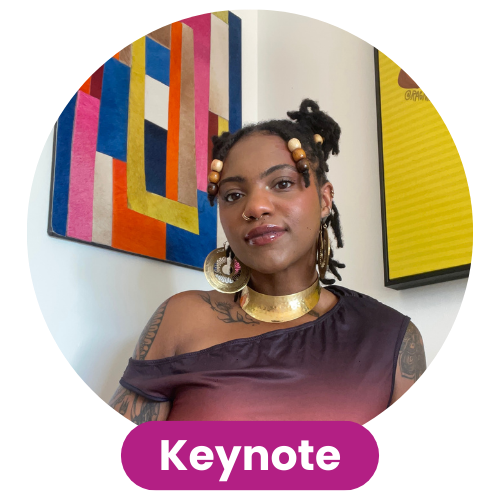
Navigating Trauma-Informed Pedagogies in the Digital Age
Presented by Renata Hall 
Digital realities—from global crises to AI-generated content—are shaping classroom experiences and student well-being. This insightful keynote will examine the rise of misinformation, vicarious trauma, and emotional dysregulation triggered by digital exposure, especially among students with developing digital literacy. With a focus on the unique challenges faced by marginalized and intersectional students, the session invites school social workers to strengthen trauma-informed and resilient pedagogies. Key takeaways include strategies to address digital misinformation, support emotional regulation, and cultivate inclusive, responsive learning environments in the face of complex digital and global pressures.
80,000 Voices: What Canada’s Youth Are Telling Us About Their Mental Health 
Presented by Claire Hlavacek, Mental Health Research Canada
Youth mental health is facing important challenges, and with thoughtful approaches, there is hope we can better support young people in finding their way to well-being. This session shares key insights from MHRC’s polling, highlighting both the current realities such as trends in anxiety, depression, and suicidal ideation and the protective influences that make a difference, including peer support and personal resilience. We’ll explore contributing factors like screen use, economic pressures, and service access, while focusing on how knowledge can drive positive change. Participants will also be introduced to MHRC’s new Youth Mental Health Data Hub, a valuable resource to guide evidence-based action in education, policy, and care.
AI for School Social Work Practice: Ethical & Responsible Use
Presented by Dr. Marina Badillo-Diaz
What does ethical and safe use of Artificial Intelligence look like in a school social work practice? This session delves into the fundamental principles of AI technology, highlighting its applications, benefits, and potential risks. Participants will gain an understanding of AI's capabilities, with a focus on how AI can enhance efficiency, save time, and improve service delivery and student outcomes for school social work tasks. The session will address critical ethical considerations, including privacy concerns, bias, and decision-making transparency, ensuring these align with core social work ethics and values. Participants will engage in a live demonstration of AI tools, including ChatGPT and School Magic AI, and participate in hands-on exercises that offer practical experience for school social work practice.

Speakers

Learn more about our expert speakers and the experience they bring to the table: